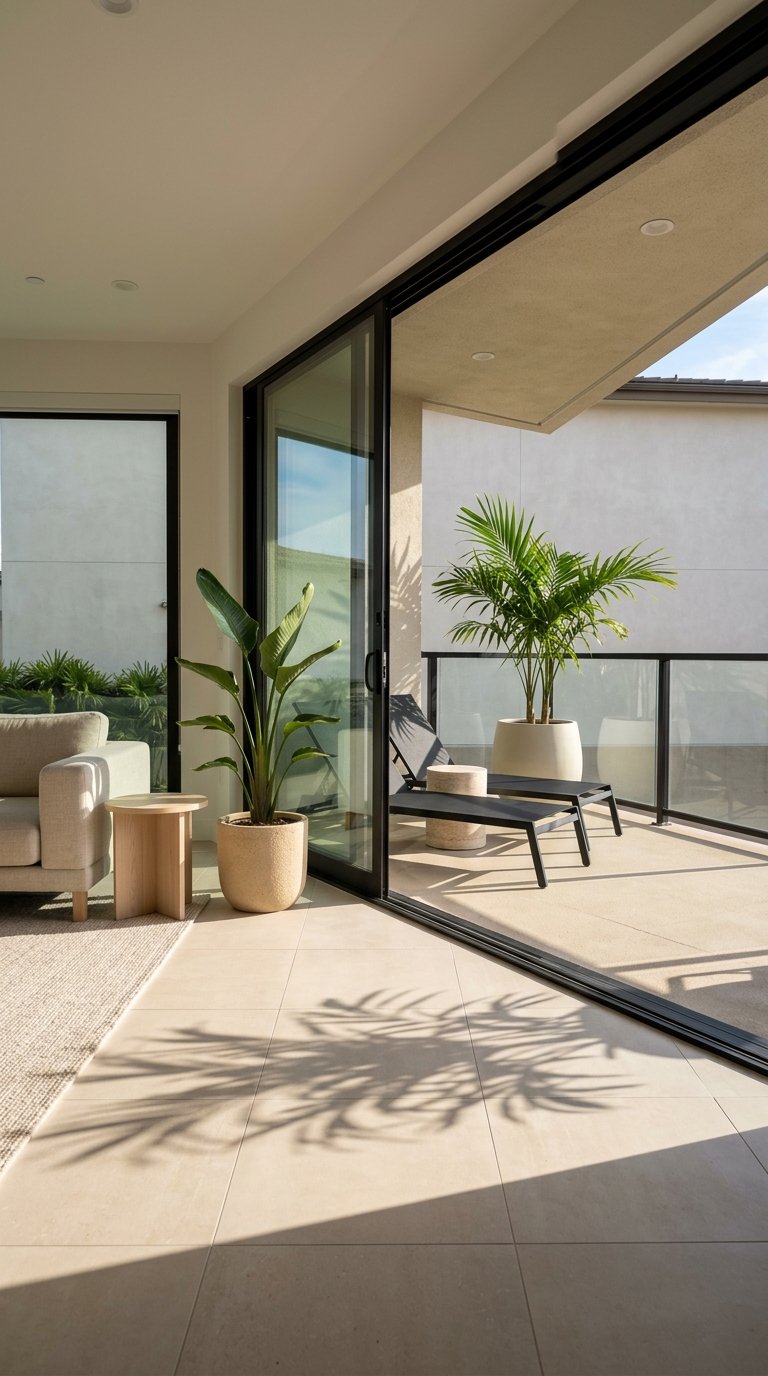
Evaluating Rental Potential In Boca Raton Condos
June 4, 2026
June 4, 2026
If you are thinking about buying a condo in Boca Raton as a rental, one detail can make or break the deal before you ever collect your first rent check: the building’s rules. A condo may look like a strong investment on paper, but rentability in Boca often depends on association restrictions, building costs, and how well the location matches renter demand. In this guide, you’ll learn how to evaluate rental potential with a practical, Boca-specific lens so you can make a smarter purchase decision. Let’s dive in.
Boca Raton has a solid rental baseline, which helps explain why condos stay on the radar for value-minded buyers and investors. As of May 20, 2026, Zillow showed an average asking rent of $3,200 in Boca Raton, with 1,263 available rentals across the market.
That number is a broad market benchmark, not a condo-only data point, but it still helps frame demand. It also reminds you that location inside Boca matters, especially near major amenity areas like the beaches, Downtown Boca, Mizner Park, and Town Center.
Before you focus on finishes, views, or projected rent, review the condo documents. In Florida, the declaration, bylaws, house rules, and amendments can control how a unit may be used, occupied, or leased, and those restrictions are enforceable.
That means listing remarks are never enough. If you want to understand a condo’s rental potential, the recorded documents matter more than the marketing language.
When you review condo documents, look for answers to these practical questions:
These details shape both your income potential and your future renter pool. A building with strict limits may still work for a long-term strategy, but it may not fit a buyer who wants flexibility.
In Florida, if a condo association later changes its rules to ban rentals, shorten lease terms, or limit rental frequency, those changes generally apply to owners who consent and to buyers who take title after the amendment becomes effective. That makes timing important.
In plain terms, two owners in the same building may not have the same leasing rights if they bought at different times. When you evaluate a condo, make sure you understand not just the current rules, but also when key amendments were adopted.
When a unit is leased, the tenant generally receives the owner’s use rights in association property and common elements that are ordinarily available to owners. That matters because amenities are not just a nice bonus. They are part of what you are offering a renter.
If a building has appealing common spaces, convenient parking, elevator access, or other features tenants can use, that can strengthen the unit’s overall appeal. In Boca Raton, lifestyle often plays a big role in what renters are willing to pay for.
Not every Boca condo tells the same story to the market. Units with beach access or easier access to Downtown Boca, Mizner Park, and Town Center often have a clearer lifestyle angle than more isolated inland options.
That does not guarantee a higher rent, but it can make the condo easier to position with renters. If you are comparing two similar units, the one with stronger access to Boca’s best-known amenity areas may have a marketing edge.
Beyond location, some features tend to be easier to market in the condo rental space:
These details can affect how quickly a unit rents and how competitive it feels against similar listings.
A condo’s rental potential is not just about gross rent. It is about what is left after you account for the full carrying-cost stack.
A simple underwriting approach is to compare expected rent against all major ownership and leasing costs, including:
This is where some attractive condos stop looking attractive. A building with lower purchase pricing can still underperform if dues, assessments, or leasing restrictions cut too deeply into your cash flow.
If you are looking at lease terms of six months or less, taxes become a major factor. In Palm Beach County, condominium rentals of six months or less can be subject to a 6% tourist development tax.
As of January 1, 2026, Palm Beach County’s combined state and local sales and use tax rate is 6.5%, made up of the 6% state rate plus the 0.5% school capital outlay surtax. In practice, that creates a 12.5% combined state and local tax environment for a taxable short-term condo rental before management fees, platform fees, and any association-specific charges.
For many buyers, that makes it especially important to confirm whether the building even allows shorter leases before running numbers. If the association restricts short-term renting, your strategy may need to shift to longer leases from day one.
In today’s Florida condo environment, building condition and reserve health can have a direct impact on rental performance. Older buildings may face milestone inspection requirements, reserve study obligations, higher dues, or special assessments that change your monthly carrying costs.
For buildings that are three stories or higher, Florida requires milestone inspections at age 30 and every 10 years after that. Associations existing on or before July 1, 2022 also must complete a structural integrity reserve study by December 31, 2025, or by December 31, 2026 if completed together with a required milestone inspection.
The required reserve study covers major components such as:
For you as a buyer, this can translate into increased dues or special assessments. A condo with strong rent potential can still become a weak investment if future building costs are not factored in upfront.
Florida condo disclosure rules can also help you spot risk before closing. If applicable, the seller must provide the most recent milestone inspection summary, turnover inspection report, and the association’s most recent structural integrity reserve study more than 15 days before contract execution.
After receipt, the buyer gets a 15-day cancellation window. That gives you an opportunity to review the building’s condition and financial pressure with more clarity before you are fully committed.
Due diligence should go beyond the association package. Boca Raton’s city tools can help you review permit history, open permits, code cases, and business tax receipts.
These records can help you flag unpermitted work, unresolved code issues, or permits that were opened but never properly closed. That kind of issue can affect your renovation plans, your timeline, and in some cases your ability to rent the unit smoothly.
Some buyers purchase a condo as a primary residence and later decide to turn it into a rental. If that is part of your long-term plan, Florida homestead rules should be part of the conversation before you sign the first lease.
Under Florida law, renting all or substantially all of a homesteaded dwelling generally counts as abandonment of the homestead until you move back in. If your condo begins as your primary home, it is smart to plan ahead before converting it into an income property.
If you want a quick way to evaluate rental potential, use this checklist as a starting point:
In many cases, the best Boca condo for rental use is not the flashiest one. It is the one where the building rules, reserve health, costs, and tenant appeal all line up before you buy.
Evaluating rental potential in Boca Raton condos takes more than estimating a monthly rent number. You need to understand the association’s rules, the building’s financial and structural picture, the tax impact of your leasing strategy, and how the unit fits Boca’s renter demand.
That is where local guidance can save you time and costly surprises. If you are comparing condos in Boca Raton and want help reviewing rentability, building red flags, and real-world purchase strategy, schedule a complimentary consultation with Karen Lee Diaz.

Karen Lee Diaz
Karen Lee Diaz is a real estate agent with Compass, serving Boca Raton and the surrounding South Florida luxury market. With a background in social work and a doctorate, Karen approaches real estate as more than transactions—she's built her career on relationships, listening closely to clients' needs and guiding them through one of life's biggest transitions, whether they're first-time homebuyers or high-net-worth investors. Bilingual in English and Spanish, she brings a rare combination of warmth, advocacy, and deep local knowledge to every deal, measuring her success not in closings but in the lasting impact she makes in her clients' lives.


Get assistance in determining current property value, crafting a competitive offer, writing and negotiating a contract, and much more. Contact Karen today.