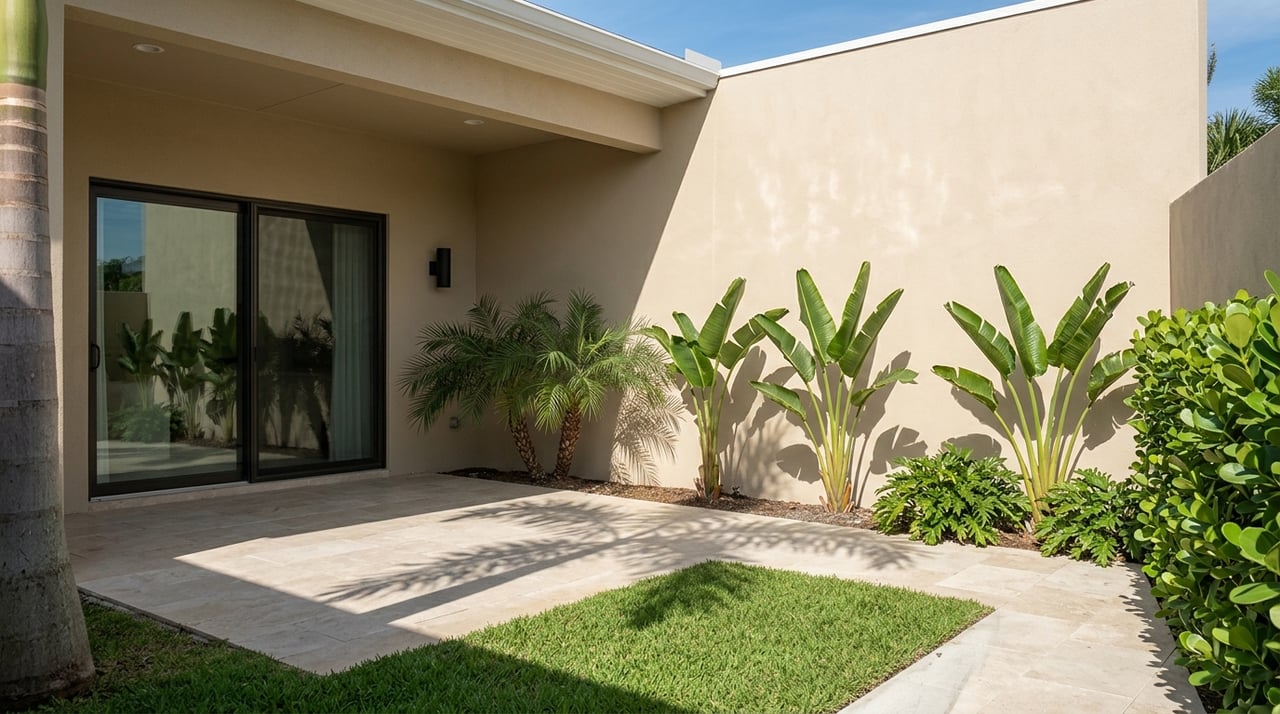
Moving to Boca Raton With Pets: What to Know First
July 2, 2026
July 2, 2026
Moving to Boca Raton with a pet is exciting, but it can also get complicated fast. You are not just choosing a home. You are also choosing rules, routines, park access, and a daily lifestyle that works for both you and your animal. If you want your move to feel smoother from day one, it helps to know what to check before you buy, where pets are actually allowed, and how local requirements work. Let’s dive in.
When you relocate to Boca Raton with pets in mind, the home itself is only part of the decision. Many properties are in condos, gated communities, or HOA-governed neighborhoods, which means pet rules can vary widely even within the same ZIP code.
That is why one of the smartest first steps is reviewing community documents early. You will want to check for pet caps, weight limits, breed restrictions, move-in reservations, elevator rules, and waste-area expectations before you get too far into the process.
This matters even more in Boca because an address does not always tell you the full story. A property may be inside city limits, within a special district, or in unincorporated Palm Beach County, and that can affect permits, eligibility, and how certain amenities are accessed.
A lot of buyers assume a beachside city like Boca Raton will be broadly pet-friendly everywhere. In reality, official pet access is more limited and specific than many people expect.
According to the City of Boca Raton, only three city-managed spaces allow pets:
Each of these spaces has its own rules. Knowing those details ahead of time can help you choose a neighborhood that better fits your routine.
Mizner Bark is one of the main dog-focused amenities in the city. It includes three fenced areas separated by dog size, which can make visits more comfortable for owners managing different temperaments or energy levels.
The city requires a Dog Park Vehicle Permit for access. If daily dog-park time is part of your lifestyle, it is worth confirming permit eligibility as part of your move planning.
Bark Beach is Boca Raton’s designated dog beach area and a major draw for pet owners who want coastal access. It is an off-leash area, but the city requires dogs to be leashed before entering and after leaving the designated zone.
There is also a separate dog permit requirement, and parking is handled separately from that permit. If beach days are high on your list, this is a detail you will want to understand before choosing a home based on convenience to the shoreline.
Countess de Hoernle Park allows dogs only on the lake path. Dogs are not allowed in the athletic complex itself.
That distinction is important because a quick online glance can make a park seem fully pet-friendly when the actual rules are narrower. In Boca, small details like this can shape your day-to-day experience.
Trail access in Boca is not uniform. Some local paths, such as El Rio Trail and Patch Reef Trail, are shared-use routes for walking and cycling, while at least one natural area, Yamato Scrub Natural Area, posts rules that prohibit pets.
The practical takeaway is simple. If a trail or preserve matters to your routine, verify that site’s current rules before you rely on it as part of your move decision.
This can be especially important for buyers relocating from places where trail access tends to be more open. In Boca Raton, pet access may change from one outdoor space to the next.
If you are open to a slightly broader radius, you may find more pet-oriented outdoor options nearby in Palm Beach County. That can be helpful if you want a home in Boca but also plan to drive for weekend outings.
County-operated dog parks near Boca include:
Canine Cove stands out for relocators because the county describes multiple fenced size zones, pet fountains, and shaded benches. That kind of setup can make a big difference if you are building a new routine after a move.
Palm Beach County also states that dogs are allowed in most county parks on leashes no longer than six feet. However, dogs are not allowed on county beaches or at certain named parks except as service animals, so it is best to confirm rules for each destination before you go.
If you are moving with a service animal or emotional support animal, standard pet policies are not always the final word. Florida treats these situations differently from ordinary pet ownership in housing.
Under Florida law, a service animal is a trained work animal and is not considered a pet. In housing, a person with a disability may not be charged extra compensation for a service animal, and the housing provider may request proof of vaccination.
Florida law also separately addresses emotional support animals in housing. A housing provider may need to allow an ESA as a reasonable accommodation, may request reliable information when the disability or need is not obvious, may deny a request if the animal poses a direct threat, and may require proof of licensing and vaccination.
One important point for relocators is that an online ESA registration by itself is not enough under Florida law. If you expect to need an accommodation, it helps to prepare the right documentation early and understand that the assistance-animal process is separate from ordinary HOA or condo pet rules.
Even after you find the right home, there are local compliance steps to keep in mind. In Palm Beach County, dogs six months and older and cats four months and older are subject to rabies and license tag requirements.
For dogs, the county requires the tag to be worn as directed. These steps are part of settling in, but they do not replace community-level pet review or the separate accommodation process for assistance animals.
In other words, county compliance and housing approval are related but not identical. You will want both pieces in place.
A smoother relocation starts with a realistic move-day plan. Pets often react to noise, open doors, and unfamiliar activity, so a little structure can lower stress for everyone.
A simple checklist can help:
It also helps to keep one quiet room closed off while movers are coming in and out. Cats and escape-prone dogs are often safest when transported last, once the activity has settled.
In South Florida, pet planning is not just about parks and condos. It is also about emergency readiness.
Palm Beach County’s pet-friendly shelter guidance shows that owners should expect to bring their own kennel or cage, food, toys, bedding, medications, leash, and bowls. Pets should also have current rabies vaccination, rabies license tag, flea and tick prevention, microchip, and ID band.
The county also notes that general population shelters normally do not accommodate pets. For relocators, that makes emergency planning part of responsible settling-in, especially during hurricane season.
The best pet-friendly move is rarely about finding the one listing with a yard. It is about matching your home choice to your real routine, including where you walk, how your building handles pets, whether you want beach access, and how much driving you are comfortable doing for green space.
For some buyers, that may mean prioritizing a single-family home with fewer community restrictions. For others, it may mean choosing a condo or gated community only after confirming that the rules truly fit their pet’s size, behavior, and daily needs.
This is where local guidance can save you time and stress. When you understand Boca’s patchwork of jurisdictions, permits, and community rules, you can make a more confident choice from the start.
If you are planning a move to Boca Raton and want help narrowing down neighborhoods, communities, and properties that fit your lifestyle with pets, Karen Lee Diaz can guide you with the kind of thoughtful, high-touch support that makes relocation feel much more manageable.

Karen Lee Diaz
Karen Lee Diaz is a real estate agent with Compass, serving Boca Raton and the surrounding South Florida luxury market. With a background in social work and a doctorate, Karen approaches real estate as more than transactions—she's built her career on relationships, listening closely to clients' needs and guiding them through one of life's biggest transitions, whether they're first-time homebuyers or high-net-worth investors. Bilingual in English and Spanish, she brings a rare combination of warmth, advocacy, and deep local knowledge to every deal, measuring her success not in closings but in the lasting impact she makes in her clients' lives.






Get assistance in determining current property value, crafting a competitive offer, writing and negotiating a contract, and much more. Contact Karen today.