Boca Raton Rental Property Investing Guide: Neighborhoods & Types
March 24, 2026
March 24, 2026
Looking at Boca Raton for your next rental investment? You’re not alone. The city sits in a high-demand coastal market with strong anchors, seasonal visitors, and renters who value convenience and amenities. In this guide, you’ll learn which neighborhoods fit different strategies, how condos, townhomes, and single-family homes compare, and the rules that can impact your bottom line. Let’s dive in.
Boca Raton is part of the West Palm Beach–Boca Raton–Delray Beach metro, a region that saw rent growth cool as new apartments came online. According to recent HUD market analysis, vacancy has ticked up in some submarkets, yet the area remains relatively expensive for renters compared with many U.S. metros. That creates an opportunity if you buy with accurate rent comps and a clear plan for seasonality and operating costs. You can review the regional context in the latest HUD market report.
Local demand is diversified. Florida Atlantic University serves as a steady anchor for student, faculty, and staff housing. FAU reported total enrollment of about 31,600 in Fall 2024, which supports year-round demand near campus and along key commute corridors. See FAU’s profile for scale and context on the university’s enrollment.
Healthcare employment adds stability. Boca Raton Regional Hospital, part of Baptist Health, is a major medical campus that draws professionals who prefer nearby housing and predictable commutes. The hospital’s footprint and investment activity reflect its role as a regional employer; learn more about the system via this Baptist Health overview.
Rents vary by building, location, and season. Published trackers often show typical asking rents in the mid 2,000s to low 3,000s for apartments citywide. Averages can shift month to month and by source. For current context, review RentCafe’s Boca Raton rent trends, then confirm building and block-level comps before you underwrite.
This area includes Downtown, Mizner Park, and beachfront corridors. You’ll find more condos and amenity-rich buildings, plus a premium for walkability and beach access. Per-unit rents can be higher, but so are acquisition prices and monthly association fees. Expect closer attention to leasing policies and guest rules in many buildings.
Downtown Boca continues to attract students, faculty, young professionals, and seasonal renters who value short commutes. Inventory includes newer apartment buildings, condo conversions, and mid-rise product with on-site amenities. Units within a quick drive or bike ride to campus can command a premium for convenience during peak academic cycles.
Around the shopping and employment nodes, you’ll see a mix of apartments, townhomes, and clusters of single-family neighborhoods. Renters here often prioritize commuter access and retail. The area’s amenity hubs and central location appeal to professionals with regular office or medical shifts.
West Boca features more single-family homes and townhome developments, including many gated and master-planned neighborhoods. These homes tend to attract longer-term renters who want more space, garages, and yards. Turnover can be lower, although you should plan for higher maintenance and occasional longer vacancy between tenants.
Condos are common in East and Downtown Boca and select gated enclaves. They can offer a lower entry price than comparable single-family homes and strong renter appeal with amenities and location. The tradeoff is ongoing HOA fees that reduce cash flow, plus potential rental restrictions like minimum lease terms or caps on the percentage of units that can be leased at one time. Review association rules carefully. For a practical primer on restrictions and short-term rules, see this overview from FirstService Residential.
Tips if you favor condos:
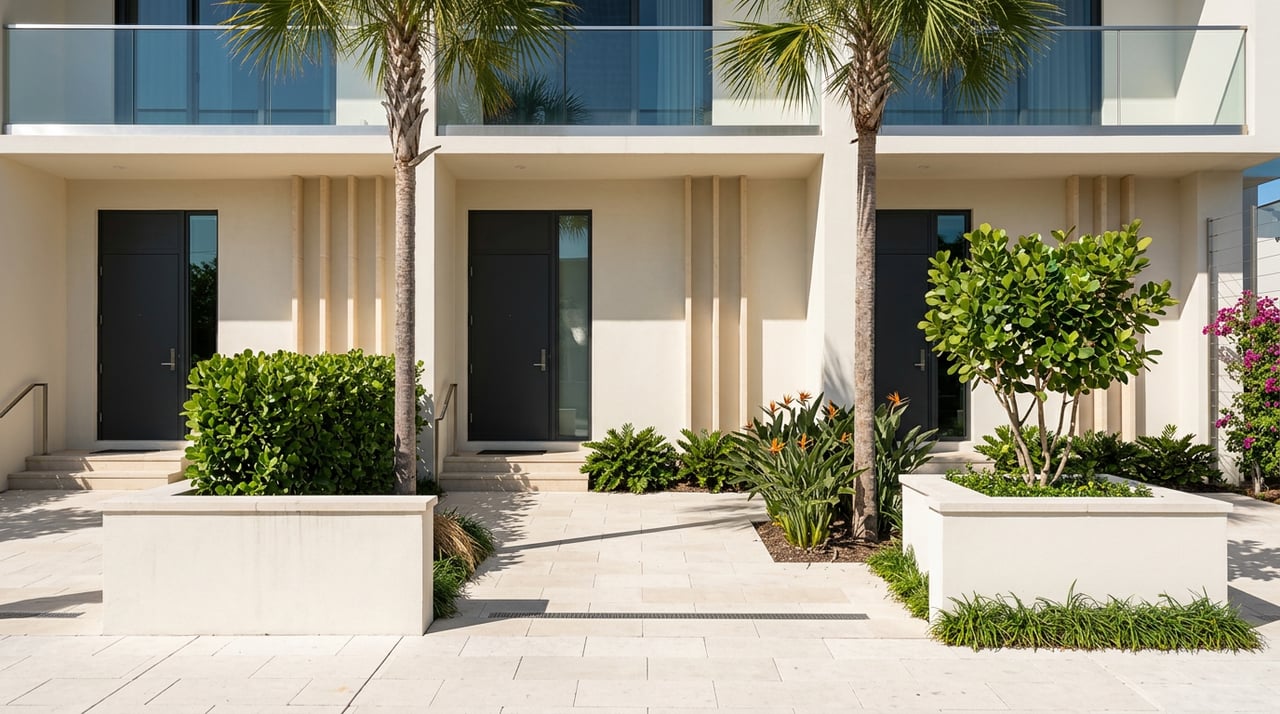
Townhomes sit between condos and single-family homes. You often get more living space and a garage, with lower monthly dues than full-amenity towers. This format can attract multi-year renters who want home-like features without full yard maintenance. Still, verify community covenants for rental caps or approval procedures.
Tips if you favor townhomes:
SFRs dominate West Boca and many central blocks. They typically achieve the highest absolute rents in the 2 to 4 plus bedroom range and can support longer leases. You also have more control over the property since there is no condo board, although some subdivisions have HOAs with rules to follow. The tradeoff is higher capital expenditure for systems, roofs, pools, and landscaping. Sunbelt data has shown strong investor interest in SFR over multiple years, which supports demand for this product type. For broader context, review this Rentometer Sunbelt SFR report.
Tips if you favor SFR:
Investor returns in Boca Raton improve when you pick a property that fits nearby renters.
Wherever you buy, present a realistic rent range for the specific building and micro-market. Use at least two sources plus local MLS, and segment seasonal versus annual listings when you run comps. RentCafe’s trend page is a good starting point.
Short-term rental rules stack at the state, county, city, and association levels. If you plan on stays under 30 days, run this compliance check before you invest.
If you prefer predictable income and simpler compliance, an annual or seasonal lease of 3 months or more can reduce licensing complexity. Always confirm the exact requirements for your address and run the numbers with compliance costs included.
Homestead and property taxes: Investment properties do not qualify for Florida’s homestead exemption. If you convert an owner-occupied home to a rental, you can lose homestead benefits. Discuss your plan with a tax professional. For background on homestead rules, see this Florida homestead overview.
Flood and wind coverage: Boca Raton’s coastal setting means you should expect meaningful insurance costs for wind and, where applicable, flood coverage. Premiums vary by construction, elevation, and carrier. Review your address-specific risk and get quotes before you make an offer. For context on flood exposure, read this Florida flood risk explainer.
Financing: Investor loans usually require higher down payments and different underwriting than primary residences. Condos add project-approval layers. If you plan to operate a short-term rental, speak early with a lender about DSCR or other investor products.
Work through these items to protect your returns and timeline.
You deserve guidance that blends neighborhood expertise with clear numbers. Karen Diaz Meaike offers a boutique, relationship-first experience with deep knowledge of Boca Raton micro-markets. She will help you select the right neighborhood for your strategy, pull accurate rent comps, and evaluate HOA rules, taxes, and insurance so your underwriting is grounded in reality.
If your plan includes light upgrades to boost rent and reduce vacancy, Karen’s certified home-staging and presentation expertise can help your property show at its best for leasing. With bilingual communication and a calm, professional approach, you get a trusted partner from search to closing and beyond.
Ready to find the right Boca Raton rental property for your goals? Connect with KDMRealtor to start a focused, data-backed search.

Karen Lee Diaz
Karen Lee Diaz is a real estate agent with Compass, serving Boca Raton and the surrounding South Florida luxury market. With a background in social work and a doctorate, Karen approaches real estate as more than transactions—she's built her career on relationships, listening closely to clients' needs and guiding them through one of life's biggest transitions, whether they're first-time homebuyers or high-net-worth investors. Bilingual in English and Spanish, she brings a rare combination of warmth, advocacy, and deep local knowledge to every deal, measuring her success not in closings but in the lasting impact she makes in her clients' lives.


Get assistance in determining current property value, crafting a competitive offer, writing and negotiating a contract, and much more. Contact Karen today.